Monitoring and systemic control
Early or stable changes may be monitored while diabetes, blood pressure, cholesterol and other risk factors are managed with the relevant medical team.
Shifa International Hospital, Islamabad
Medical retina
Diabetes can affect the retinal blood vessels before vision changes are obvious. Regular examination and timely treatment help guide long-term eye care.
Sudden visual loss, a shower of floaters, a dark curtain, severe pain or redness may indicate bleeding, detachment or another urgent problem. Seek urgent in-person eye care.
Understanding the concern
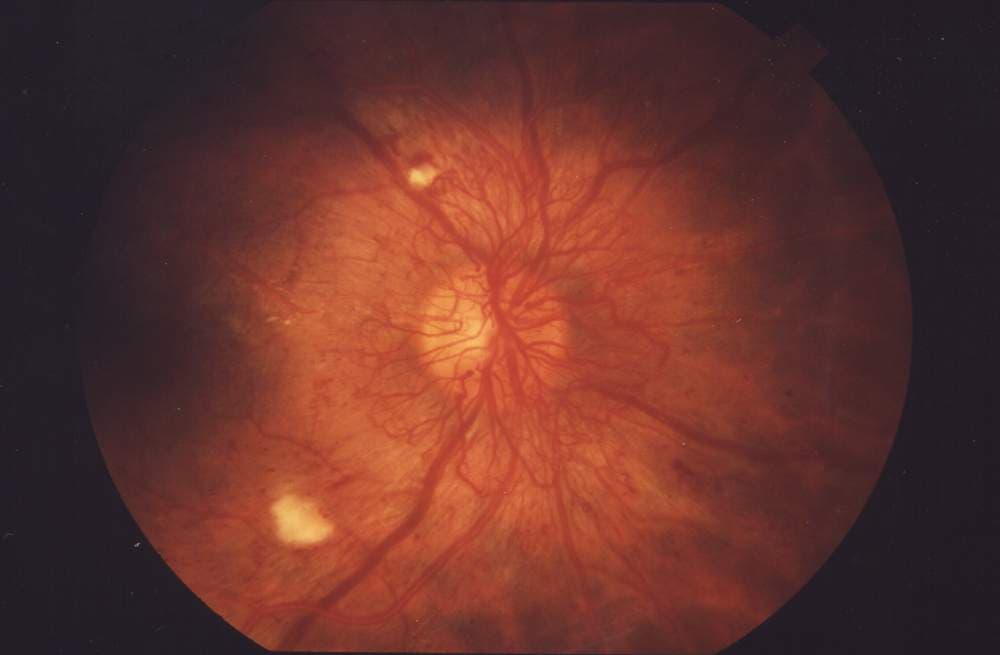
Diabetic retinopathy develops when diabetes damages small blood vessels in the retina. Leakage can cause diabetic macular oedema, while more advanced disease can produce fragile new vessels, bleeding and scar tissue.
Because early disease may have no symptoms, a person with diabetes should not wait for blurred vision before arranging retinal screening. The interval depends on findings, pregnancy and overall diabetic control.
What patients notice
These features can overlap with other eye conditions. Examination is needed to establish the cause.
Specialist assessment
A diabetic retinal review looks for vessel damage, macular swelling, bleeding and traction, then sets a follow-up interval based on risk.
The retina is examined for microaneurysms, haemorrhage, abnormal vessels, scar tissue and signs of detachment.
OCT shows the layers of the macula and helps detect or monitor diabetic macular oedema.
Retinal photographs document change; angiographic imaging may be used to assess leakage or poor circulation when treatment planning requires it.
Treatment planning
Improving diabetic and blood-pressure control remains important alongside eye treatment. Ocular treatment varies according to whether the main concern is swelling, abnormal vessels, bleeding or traction.
Early or stable changes may be monitored while diabetes, blood pressure, cholesterol and other risk factors are managed with the relevant medical team.
Anti-VEGF medicines and, in selected situations, steroid treatments may be used for diabetic macular oedema or proliferative disease.
Laser can be recommended for selected proliferative disease or particular patterns of leakage. The purpose and visual trade-offs should be explained before treatment.
Surgery may be required for non-clearing vitreous haemorrhage, tractional retinal detachment or scar tissue threatening the macula.
Medical retina care
At a glance
Prof. Amer Awan's medical-retina work includes diabetic retinopathy, macular swelling and advanced tractional disease. Examination and imaging guide whether monitoring, injections, laser or surgery is appropriate.
Related surgical video
From Prof. Amer Awan's official YouTube channel. This professional video contains surgical footage.
Questions patients ask
Yes. Early diabetic retinal changes often cause no noticeable symptoms. Dilated examination and imaging can detect disease before the patient is aware of it.
Many retinal injection plans require repeated treatment and monitoring. The medicine, interval and duration depend on response and the underlying condition.
Yes. Eye treatment addresses ocular complications, while appropriate diabetes, blood-pressure and cholesterol management remains part of reducing ongoing risk.